
Trézor.io/Start — Starting Up™ Your Device | Trezor®
Trezor.io/start helps users understand the key steps for preparing a Trezor wallet, connecting Trezor Suite, managing accounts, and protecting important recovery information.
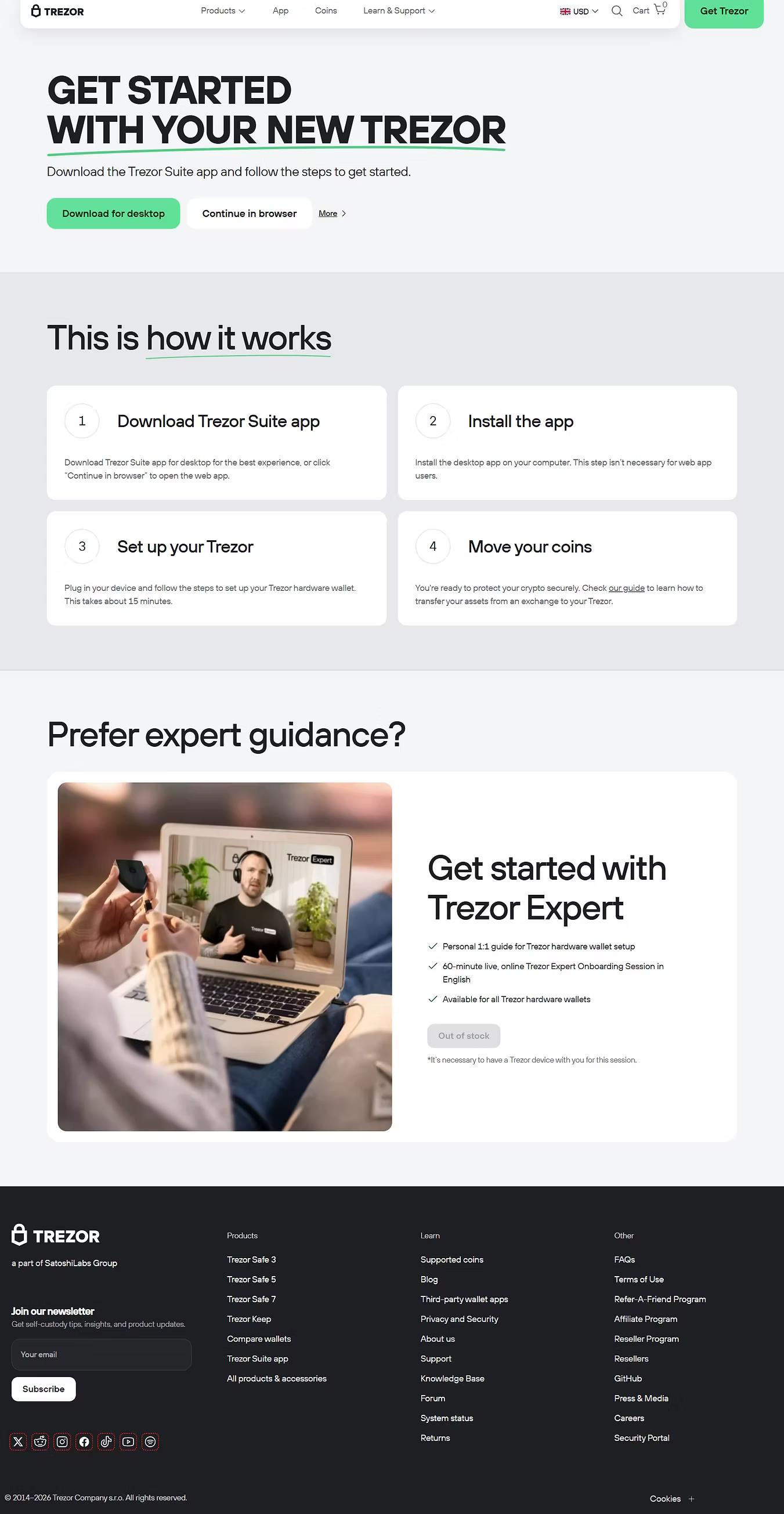
Trezor.io/start: A Practical Guide to Trezor Wallet Setup
Setting up a hardware wallet is an important step for anyone who wants to manage digital assets with a dedicated security device. The process involves more than connecting a device to a computer. Users need to understand device initialization, wallet software, recovery information, account management, and transaction verification. Trezor.io/start can serve as a useful starting point for users beginning their Trezor hardware wallet setup and learning how the different parts of the process work together.
What Is Trezor.io/start?
Trezor.io/start refers to the starting point commonly associated with setting up a Trezor hardware wallet. The setup process helps users prepare their device, connect it with compatible wallet software, and establish the security information needed for ongoing wallet management.
For new users, beginning with the appropriate setup resources can make the process easier to understand. It is important to use trusted Trezor resources and avoid following instructions from unknown websites, unsolicited messages, or unofficial support accounts.
Preparing Your Trezor Hardware Wallet
Before starting the setup process, place your Trezor device in a secure environment and make sure you have access to a compatible computer or supported device. A stable connection can help prevent interruptions while the wallet is being initialized.
During setup, the device may guide you through several steps required to establish its security configuration. Read each instruction carefully instead of rushing through the process.
Understanding Trezor Suite
Trezor Suite is the software environment associated with managing a compatible Trezor hardware wallet. It provides an interface for activities such as viewing accounts, checking supported digital assets, managing wallet information, and preparing transactions.
The hardware wallet and Trezor Suite have different roles. The software provides the interface, while the physical Trezor device is used for important security operations and transaction confirmations.
Creating and Protecting Wallet Information
During the Trezor wallet setup process, users may be guided through the creation or recording of important recovery information. This information should be treated as highly confidential.
Never share recovery information with another person or enter it into an unfamiliar website. Avoid storing it in screenshots, emails, cloud documents, messaging applications, or other easily accessible digital locations.
If someone asks for your recovery information while claiming to provide wallet support, treat the request with extreme caution. Your recovery information should remain under your control.
Connecting Trezor to Wallet Software
Once the initial device preparation is complete, the hardware wallet can be connected with the compatible software environment. Follow the instructions displayed by the software and pay attention to any confirmation requests appearing directly on the physical device.
If the device asks you to confirm an operation, review the information carefully before approving it. The physical screen provides an important opportunity to verify sensitive actions before they are completed.
Managing Digital Assets With Trezor
After setup, users can use the compatible software environment to organize supported accounts and review wallet activity. Depending on the assets and features supported by the current software and device, users may be able to monitor balances, manage accounts, and prepare cryptocurrency transactions.
When preparing a transaction, check the recipient address, amount, network, and other available details. Do not approve a transaction simply because it looks correct on your computer screen. Review important transaction information on the hardware wallet before confirming it.
Security Practices for Trezor Users
Hardware-wallet security depends heavily on user behavior. A secure device can still be exposed to risk if recovery information is shared or if a user approves an incorrect transaction.
Use trusted wallet software and keep your device software appropriately updated. Be cautious with unexpected emails, advertisements, pop-ups, and messages claiming that your Trezor wallet requires urgent verification.
Always verify important information directly on your Trezor device when confirmation is required. Taking time to review an operation can help prevent avoidable mistakes.
Avoiding Fake Trezor Support
Cryptocurrency users may encounter websites or social-media accounts that imitate legitimate wallet support. These sources may request recovery phrases, private information, remote access, or other sensitive details.
A safer approach is to navigate to trusted Trezor resources independently rather than relying on links supplied through unsolicited messages. Never disclose your recovery information to someone claiming that it is necessary to repair, synchronize, activate, or unlock your wallet.
Troubleshooting During Trezor Setup
If your Trezor device is not recognized, begin with basic checks. Confirm that the device is connected properly and follow the current instructions provided by the compatible Trezor software.
If a connection issue continues, avoid downloading random drivers or wallet applications from unfamiliar websites. Instead, consult trusted Trezor documentation for the specific device and software environment you are using.
Why a Careful Setup Matters
A hardware wallet is designed to provide a dedicated environment for managing sensitive cryptocurrency operations. However, the security benefits depend on correct setup and careful everyday use.
Trezor.io/start can be viewed as the beginning of a broader wallet-management routine. After completing the initial setup, users should continue protecting their recovery information, verifying transactions, using trusted software, and remaining alert to phishing attempts.
Final Thoughts
Setting up a Trezor hardware wallet is a process that combines device preparation, compatible wallet software, recovery protection, and transaction verification. Trezor.io/start provides a natural starting point for users who are learning how these components fit together.
Whether you are setting up a Trezor wallet for the first time or reviewing your existing security practices, take each step carefully. Protect your recovery information, verify important actions on the physical device, use trusted software, and avoid unsolicited support requests. These habits can help create a more secure and organized approach to digital-asset management.
Updated about 10 hours ago