
Trézor.io/Start — Starting Up™ Your Device | Trézor®
Discover Trezor.io/start with clear information about hardware wallet preparation, device configuration, Trezor Suite access, account organization, and recovery security.
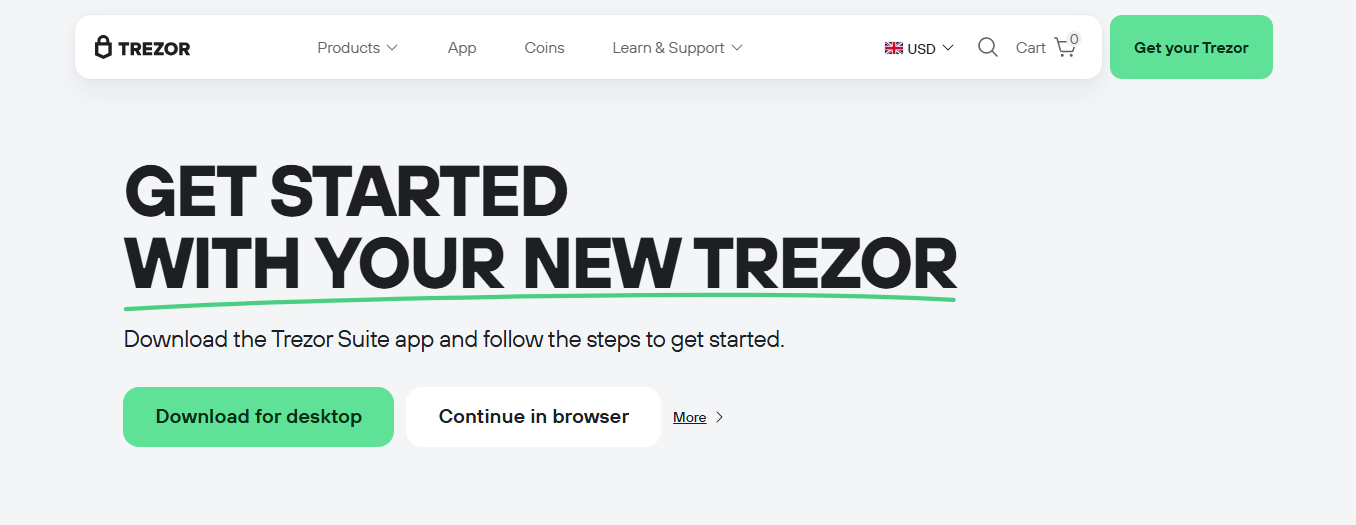
Trezor.io/start: Complete Guide to Starting Your Trezor Wallet
Getting started with a Trezor hardware wallet is a straightforward process when each stage is completed carefully. From preparing the physical device to connecting compatible wallet software, every step contributes to a reliable digital-asset management routine. Trezor.io/start is associated with the initial setup journey and can help users understand the basic steps involved in preparing a Trezor wallet.
Getting Started With Trezor.io/start
The first stage of a Trezor wallet setup is preparing the hardware device and accessing trusted setup instructions. Users should make sure they are working in a secure environment and using compatible software before beginning.
Avoid relying on setup links received through unexpected emails, social-media messages, or unfamiliar websites. When working with cryptocurrency hardware, verifying the source of setup information is an important security habit.
Preparing Your Trezor Device
Before connecting your device, inspect the hardware and make sure you have everything needed for the setup process. Connect the Trezor hardware wallet as instructed and follow the prompts provided by the compatible software environment.
During initialization, the device may display information or request confirmations. Read these instructions carefully and avoid approving actions that you do not understand.
The physical Trezor device plays an important role in wallet security because certain sensitive operations require interaction with the hardware itself.
Using Trezor Suite After Setup
Trezor Suite provides a software interface for interacting with compatible Trezor hardware wallets. After the initial setup, users can use the available features to review supported accounts, monitor wallet activity, and manage supported digital assets.
The software interface makes wallet management more convenient, while the hardware device remains an important part of the security process. Users should pay attention whenever an action requires confirmation on the physical wallet.
Understanding Your Recovery Information
Recovery information is one of the most important parts of setting up a hardware wallet. During the wallet creation process, users may be instructed to record recovery information according to the device's current setup procedure.
Keep this information private and protected from unauthorized access. Do not photograph it, upload it to cloud storage, save it in an online document, or enter it into websites asking for wallet verification.
A recovery phrase should never be shared with another person claiming to provide technical assistance.
Creating a Secure Wallet Routine
Completing the Trezor.io/start setup is only the beginning of responsible wallet management. Good security practices should continue whenever you use the device.
Use trusted software, keep your hardware wallet under your control, and carefully review requests for sensitive information. When managing cryptocurrency transactions, take time to check the details rather than approving an operation automatically.
A consistent routine can reduce the possibility of accidental approvals or exposure of confidential wallet information.
Reviewing Transactions on Your Trezor
When a transaction requires confirmation, review the details shown directly on the hardware wallet. Check the recipient information, transaction amount, and other relevant details before approving the operation.
The information displayed on the physical device provides an additional verification point. If something does not match your intended transaction, stop and investigate before continuing.
This habit is particularly important because a transaction sent to an incorrect destination may not be reversible.
Trezor Wallet Account Management
Once your wallet is configured, the compatible software environment can help organize supported cryptocurrency accounts. Users can review balances and transaction activity and access available account-management features.
The exact functionality can depend on the device, supported asset, software version, and current platform environment. For this reason, users should refer to current documentation when a specific feature or asset is involved.
Avoiding Common Setup Mistakes
One common mistake is rushing through the initial setup. Carefully reading device prompts can help prevent unnecessary errors.
Another risk is using unofficial software or downloading wallet applications from unfamiliar sources. Cryptocurrency users should verify software sources before installation.
Users should also be cautious about support scams. Unexpected messages claiming that a Trezor wallet needs immediate activation, synchronization, validation, or recovery should be treated carefully, particularly when they request confidential information.
What If Your Trezor Does Not Connect?
If your Trezor hardware wallet is not detected, begin with simple connection checks. Make sure the device is connected correctly and follow the connection instructions provided by the compatible Trezor software.
If the issue remains, check the current Trezor support documentation for your specific device and operating environment. Avoid installing random software or entering recovery information into troubleshooting websites.
Keeping Your Trezor Setup Secure
Security does not end after the initial wallet setup. Continue using trusted wallet software and remain cautious when interacting with websites or messages related to your cryptocurrency accounts.
Never disclose your recovery information. Review important operations on the physical hardware wallet, and independently verify unexpected requests for wallet information.
These simple habits can make everyday Trezor wallet management more deliberate and easier to maintain.
Final Thoughts on Trezor.io/start
Trezor.io/start represents the beginning of the Trezor wallet setup journey for users preparing a compatible hardware wallet. The process involves device preparation, software connection, recovery-information protection, account management, and transaction verification.
A successful setup is not simply about completing a series of prompts. It is also about developing secure habits that continue throughout your use of the wallet. By protecting recovery information, using trusted software, verifying transactions on the hardware device, and staying alert to phishing attempts, users can build a more careful approach to managing supported digital assets.
Updated about 10 hours ago